Greece
February 2, 2026
5
minute

Moving to Greece under the Golden Visa program or within the framework of business relocation requires detailed financial planning. In 2026, Athens continues to remain one of the most attractive European capitals in terms of price and quality of life; however, the dynamics of the real estate market and inflationary processes have made adjustments to the structure of expenses. This overview is based on current data from consumer baskets, service tariffs, and the cost of educational resources.
Grocery Basket and Food
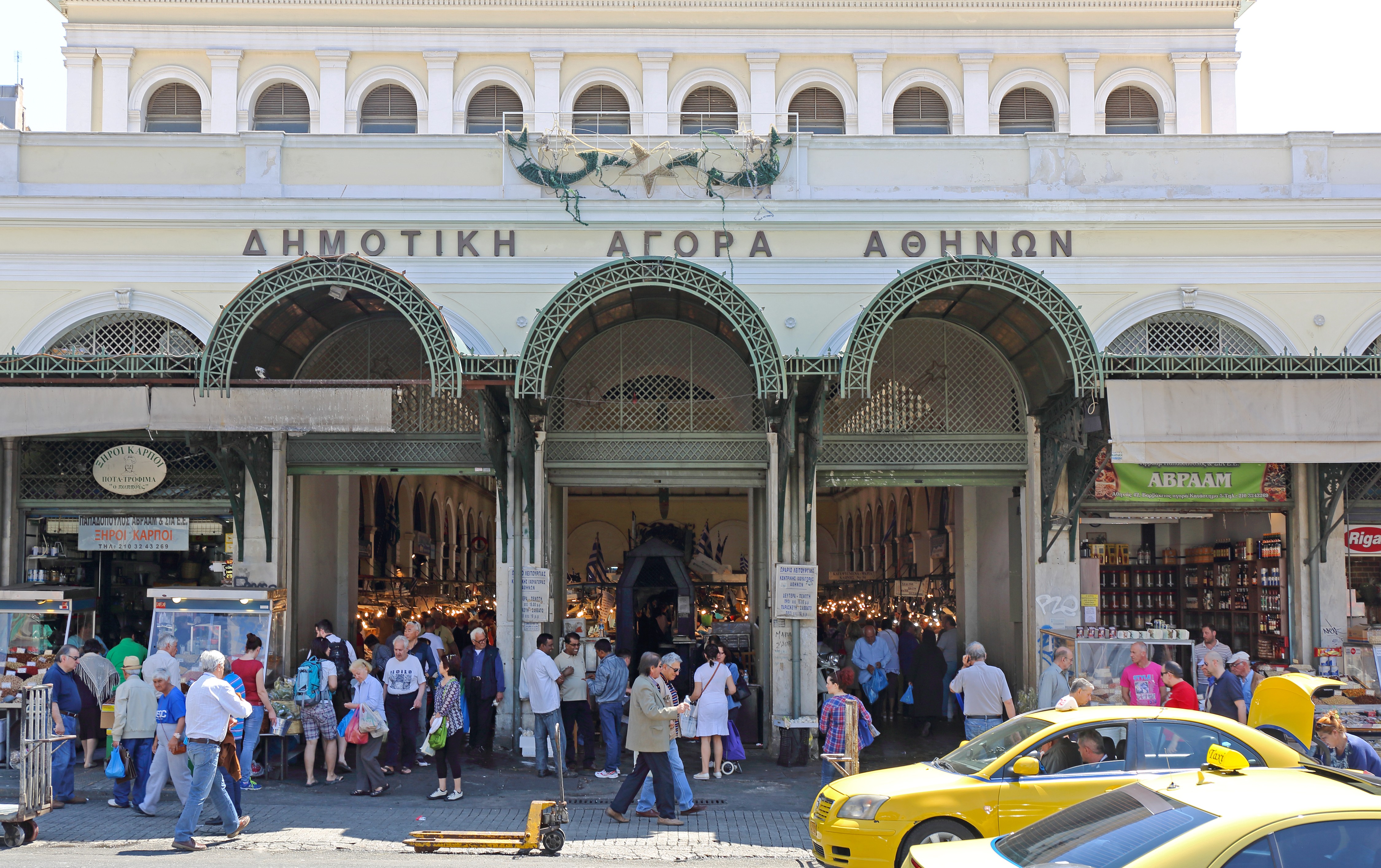
Greece maintains an advantage in the cost of food due to its developed domestic production. A key feature of 2026 is the preservation of the gap between prices in chain supermarkets and traditional markets (Laiki Agora).

Utilities and Housing Maintenance
In 2026, the key factor in the cost of maintaining real estate became the energy efficiency class of the building. Owners of new properties built in accordance with modern environmental standards spend 30-40% less on cooling and heating spaces.
Electricity and Water: For an apartment of 85–100 m², the average bill is €190 – €280 per month. During the summer period (June–August), expenses increase due to the active use of air conditioning systems.
Overall House Expenses (Kinochrista): In regular houses, this is €40 – €70, in premium residential complexes with a pool, security, and garden — from €250 to €500.
Communication and Internet: A high-speed internet package (starting from 200 Mbps) and mobile communication costs about €55 – €85 per month.
Private Education in Athens
For families moving to Greece, choosing a school is a priority factor when selecting a neighborhood for purchasing real estate. Most international schools are concentrated in the northern (Marousi, Kifisia) and southern (Glyfada, Vari) suburbs.
Annual Tuition Costs
International School of Athens (ISA): €10,500 – €14,500. IB program education.
St. Lawrence College: €12,000 – €14,800. British education system.
ACS Athens (American Community Schools): €13,800 – €16,500. American program and IB.
Byron College: €10,000 – €13,500.
When planning a budget, it is essential to consider a one-time registration fee (€1,200 – €1,800) and expenses for the school bus (€1,500 – €2,500 per year, depending on distance).

Transport and Personal Mobility
In 2026, the Greek government continues to subsidize the transition to electric vehicles, making their operation in Athens more cost-effective than traditional cars.
Fuel (Gasoline 95): €2.05 – €2.25 per liter.
Electric Charging: The average cost of charging an electric car at home is about €70 – €100 per month.
Public Transport: A monthly ticket costs €30.
Taxi: A short ride in the center — €8 – €12, transfer from the center to the airport — €45 – €60.
Medicine and Insurance
Having private health insurance is a mandatory condition for residence permit holders, but it also serves as a standard of comfort for foreign residents.
Family Insurance Policy (premium): From €1,600 to €3,000 per year. Covers care at the best hospitals in the country (Hygeia, Metropolitan).
Appointment with a Specialist (without insurance): €60 – €100.
Recommended Budget
To maintain a high standard of living in 2026 (excluding rental costs or mortgage payments), a family of three in Athens is recommended to budget for the following figures:
Basic Comfort Level: €1,900 – €2,300 per month.
Premium Level (with private school and active leisure): €3,800 – €5,000 per month.
Despite the overall rise in prices in Europe, Athens retains its status as a city with high purchasing power for foreign capital owners, offering unique climate and cultural advantages.

Author Andrey Trofimenko